
General information, not medical advice — health decisions belong with your doctor.
Non-alcoholic wine gets sold two ways, and both are wrong: as a sad compromise, or as a health elixir. The truth is more useful than either. Here are the benefits that genuinely hold up — and the two marketing loves that don't.
The real benefits
1. The ritual survives
This is the big one, and the least discussed. The 6pm glass while cooking, the bottle opened over dinner conversation, the toast — these rituals carry more of wine's pleasure than people expect, and they work at 0.0%. Swapping the contents while keeping the ceremony is why non-alcoholic wine succeeds where seltzer fails.
2. A fraction of the calories
Alcohol carries 7 calories per gram — most of wine's caloric load. Remove it and a glass drops from 120–150 calories to roughly 15–50. Over a nightly-glass year, that's the difference of more than 30,000 calories. (The full math, brand by brand, is in our non-alcoholic wine calories guide.)
3. Better sleep, same evening
Alcohol is a famously bad sleep partner — it fragments the second half of the night even at one or two glasses. An alcohol-free evening pour keeps the wind-down ritual without the 3am wake-up. Most people notice the difference within two weeks of swapping weeknights.
4. Everyone drives home
The most practical benefit there is: the designated driver, the school-night parent, and the early-morning worker all get a real glass instead of a compromise. One less calculation, all evening.
5. It includes everyone
Pregnancy, medication, recovery, religion, preference — every table has someone not drinking, and handing them something genuinely good is modern hosting at its best. (Which bottle for which occasion: our guide.)
6. No hangover tax on weeknights
Not a revelation, but worth stating plainly: the Tuesday bottle stops costing Wednesday anything. For many drinkers that single trade converts most of the week.
7. You learn your own habits
Alternating real and alcohol-free glasses is the cheapest self-experiment in drinking: you find out which glasses you actually wanted and which were autopilot. Most people who try it drink less overall — by choice, not willpower.
The two overblown claims
"It's basically a health drink." No. It's a lower-calorie, alcohol-free beverage — some bottles carry real sugar, and none of them are medicine. Read labels like you would anything else.
"All the antioxidants of red wine!" Dealcoholized wine does retain polyphenols, but the health-halo marketing runs far ahead of the evidence. Drink it because it tastes good and fits your evening — not as a supplement.
FAQ
Is non-alcoholic wine actually healthier than regular wine? It removes alcohol and most calories, which for most people is a meaningful improvement. "Healthier than wine" is not the same as "healthy" — sugar varies by bottle, and we flag it in our picks.
Will non-alcoholic wine help me drink less? It's one of the best-documented tools for it — not by forcing abstinence but by keeping the ritual while removing the autopilot glasses. The Dry January playbook is built on exactly this.
Is there any alcohol in it at all? Most "non-alcoholic" wine is under 0.5% ABV (kombucha territory); some bottles are a true 0.0% and say so. If the distinction matters — pregnancy, recovery — look for the 0.0% label and ask your doctor.
Start with bottles that make the case
The benefits only land if the wine is good. These three make the strongest first impression:
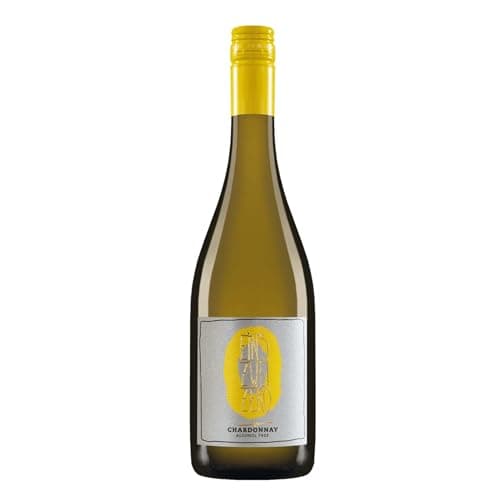 Leitz Eins Zwei Zero ChardonnayNon-alcoholic, bright and fresh — the easiest first non-alcoholic bottle.$23.99Amazon
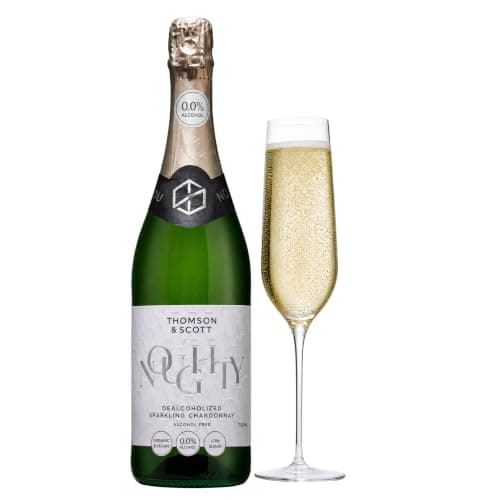 Thomson & Scott Noughty Sparkling ChardonnayNon-alcoholic dry fizz for Champagne lovers.$30.26Amazon
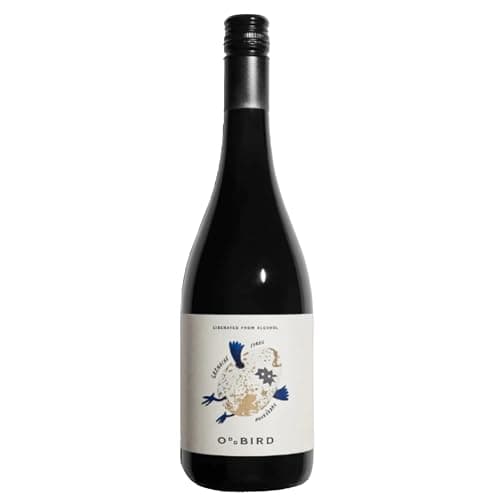 Oddbird RougeThe most convincing non-alcoholic red — realistic structure.Amazon
The full field, ranked honestly by style — including where the category still falls short — is in our best non-alcoholic wines guide.
Prices and availability shown are from Amazon as of Oct 15, 2026 and may have changed.

