
Typical ranges for general information, not dietary advice — check each label; bottles vary.
Regular wine runs 120–150 calories a glass, and almost all of that is the alcohol. Remove it and the math changes dramatically: most non-alcoholic wine lands between 15 and 50 calories per 5oz glass — but the range is wide, and the reason why is the one thing worth understanding before you buy.
Where the calories went (and where they hide)
Wine's calories come from two places: alcohol (7 cal/gram) and residual sugar (4 cal/gram). Dealcoholization removes the first entirely — which is why the floor is so low — but the second is a producer's choice. Some add sugar back to fake the body alcohol used to provide; the best keep it minimal and let acidity and aroma carry the glass. That choice is nearly the whole spread between a 15-calorie glass and a 60-calorie one.
Typical numbers, by style
- Dry non-alcoholic sparkling: 15–30 per glass — routinely the lightest option on any table
- Dry non-alcoholic whites: 15–35
- Non-alcoholic rosé: 20–40
- Non-alcoholic reds: 20–45
- Sweeter non-alcoholic styles: 40–70 — the "check the label" zone
- For comparison, regular wine: 120–155, tracking ABV (full breakdown)
The practical translation: a nightly-glass drinker who swaps to a dry non-alcoholic white saves roughly 35,000–45,000 calories a year — without giving up the 6pm ritual that makes the habit stick.
How to read a label for it
Producers aren't required to print full nutrition panels everywhere, but two clues rarely lie: stated sugar per 100ml (under ~2g reads dry; above 5g reads visibly sweet) and the words "dry" or "brut" on the label, which in the non-alcoholic category usually signal a producer confident enough not to sweeten. Our tested picks flag sugar levels for exactly this reason.
FAQ
Is non-alcoholic wine good for weight loss? It's a genuinely effective swap — same ritual, a third or less of the calories. It's not a diet product, and sweetened bottles can quietly carry soda-adjacent sugar. Dry styles are the safe default.
Does 0.0% mean zero calories? No — the calorie floor comes from grape sugars and body, not alcohol. Even a bone-dry 0.0% bottle carries 15–25 calories a glass. Still a fraction of the original.
Which has fewer calories: non-alcoholic beer or wine? Typically comparable per serving (30–80 for NA-style beers, 15–50 for dry alcohol-free wine) — dry alcohol-free sparkling usually wins the whole category.
The lightest glasses that still taste like wine
Low-calorie means nothing if it tastes like juice. These are dry, genuinely wine-like, and at the light end of the range:
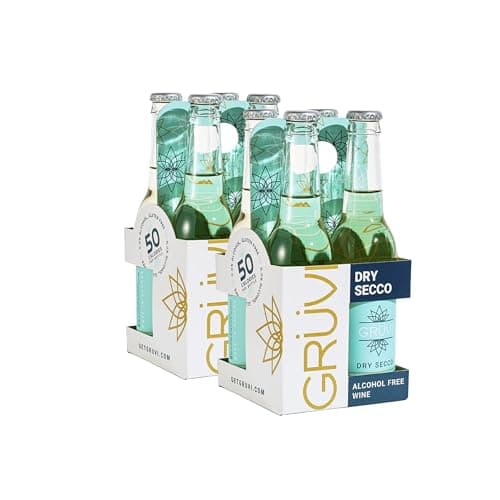 Grüvi Dry SeccoNon-alcoholic everyday sparkling — crisp and lightly floral.$36.99Amazon
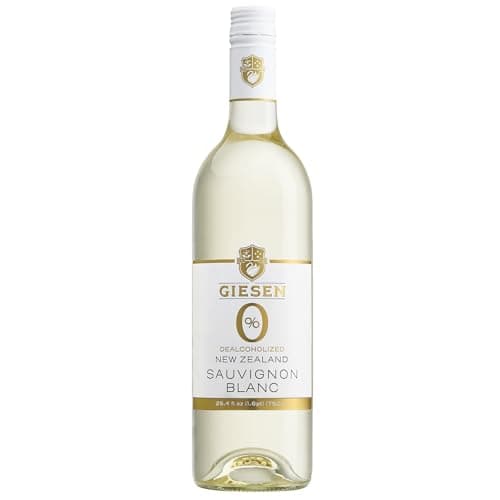 Giesen 0% Sauvignon BlancNon-alcoholic and genuinely dry — for people who miss real wine.$13.99Amazon
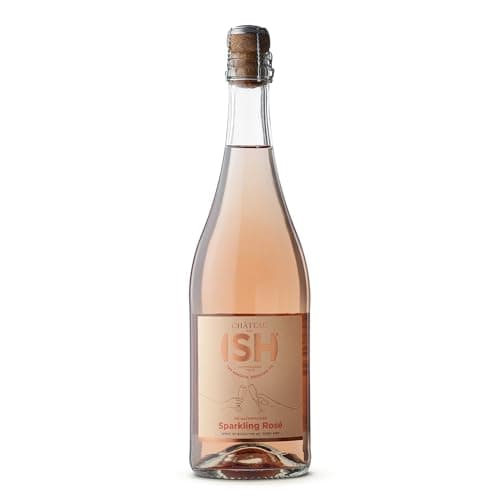 ISH Sparkling RoséNon-alcoholic sparkling rosé, low-calorie — a crowd-pleasing toast.$25.99Amazon
Every bottle we recommend, with sugar levels flagged, is in the best non-alcoholic wines guide.
Prices and availability shown are from Amazon as of Oct 15, 2026 and may have changed.


