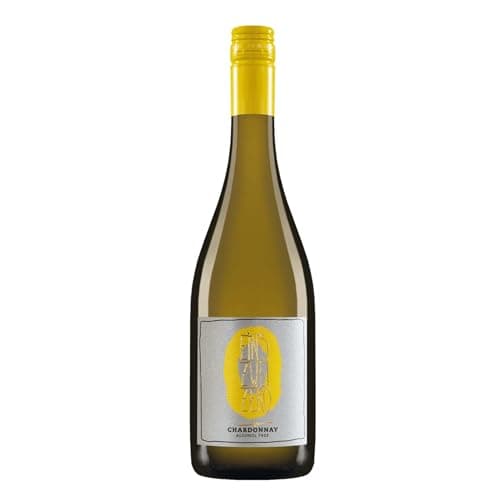
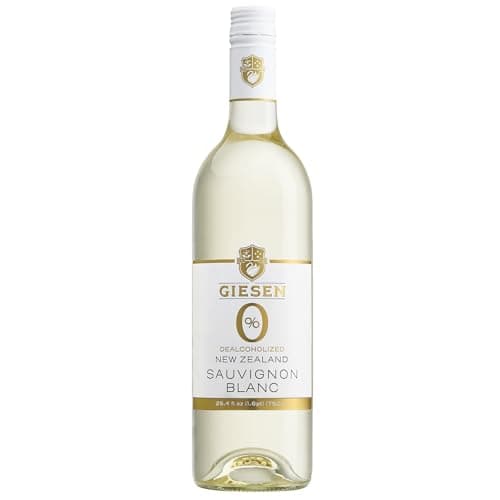
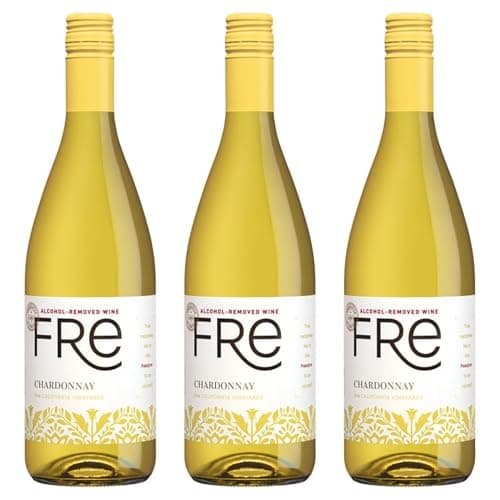
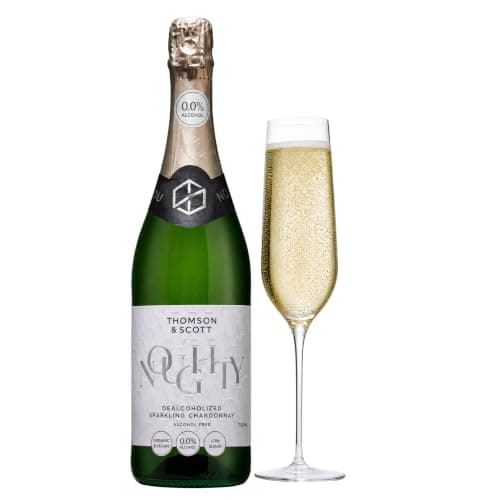
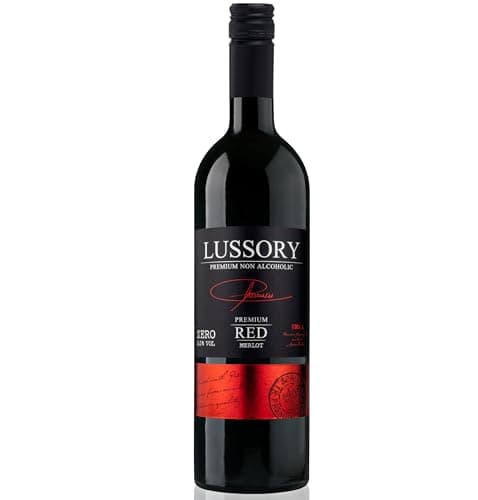
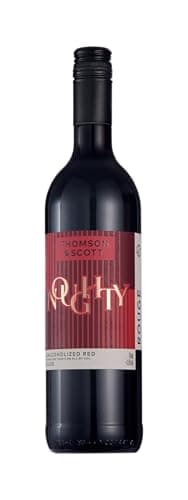
Ann Noble’s aroma wheel gave wine a shared vocabulary in the 1980s. But it assumes alcohol: some of its most familiar branches — the hot spirit notes, much of the oak-and-vanilla register — either come from ethanol itself or rarely survive dealcoholization. Meanwhile the category has characters all its own that the classic wheel has no words for: fresh grape must, confected fruit where sugar was added back, the tea-like grip of supplemented tannin, the hollow mid-palate where alcohol’s body used to be.
So we adapted it. Five classic branches, pruned to what actually survives — plus a sixth, the NA tells: the category’s signature flaws. We tag every bottle we cover with this vocabulary, faults included. A wheel where the flaws are searchable is a wheel you can trust.
How to use it
Buying: start from what you love in your usual wine — peppery reds, grassy whites — and click that note. Tasting: pour, sniff, and work from branch to descriptor; the vocabulary is the skill. Judging: check the NA tells. One or two in a bottle is normal for the category; a bottle that’s mostly tells went wrong somewhere, and our honest assessment of the category explains why.
About this wheel
The adaptation is Vinisima’s editorial work — the full story of Ann Noble’s original wheel and our adaptation rules is documented separately — based on the category’s published production methods and the independent tasting consensus — we haven’t yet run our own formal blind panel, and tags are revised as the catalog grows (each bottle’s tags are dated in our records). You’re welcome to reference or reproduce the wheel with a link back to this page. Start exploring bottles in our ranked non-alcoholic wine guide.