
The single most useful fact about non-alcoholic wine is that it starts life as actual wine — grapes, fermentation, the whole craft — and only then has the alcohol removed. How that removal happens is the biggest quality fork in the category, and once you know the three methods, you can predict a bottle's character before you open it.
Method 1: Vacuum distillation (the modern standard)
Alcohol normally boils at 173°F — hot enough to cook a wine's aromatics to death. Under vacuum, it boils at as low as 95°F, so producers can gently pull the alcohol out while the delicate aroma compounds survive. Many systems capture those aroma fractions separately and blend them back in afterward. This is how most of the category's best bottles are made — including Leitz's German program — and it's why modern non-alcoholic wine tastes like wine rather than juice.
Predicts: bright, intact aromatics; the closest to the original in whites and sparkling.
Method 2: Spinning-cone columns (the gentle spin)
A refinement of the same idea: wine cascades over spinning inverted cones in a vacuum, spreading into ultra-thin films so aroma (first pass) and alcohol (second pass) can be stripped at low temperature in seconds of contact time, then the aroma is returned. It's expensive, industrial, and very good — common among larger quality producers.
Predicts: consistent, clean results at scale; the method behind several supermarket-tier success stories.
Method 3: Reverse osmosis (the filter)
Wine is pushed through membranes fine enough to separate alcohol and water from flavor compounds; the alcohol is discarded and the concentrated flavor is reblended with the water. Done well it's precise; done cheaply it can strip character that never comes back.
Predicts: varies most by producer skill — the method where brand track record matters more than the technique.
The imposter: never fermented at all
Some "alcohol-free wine" is really grape juice styled like wine — never fermented, nothing removed. It isn't dealcoholized wine; it's a different (sweeter, simpler) drink wearing the outfit. The tell on the label: words like dealcoholized or alcohol-removed mean real wine was made first; their absence, plus a high sugar number, usually means juice.
Why reds are the hard case
Every method faces the same physics: alcohol carries body, warmth, and tannin perception — exactly the pillars of a big red (the cited sensory science covers the research behind this). Whites and sparkling lean on acidity and aroma, which survive removal nearly intact; reds lose their skeleton and must be rebuilt. That's why our non-alcoholic red guide is the most expectation-managed page on this site, and why the best red producers (Oddbird's low-temperature vacuum process, for instance) advertise their method prominently.
FAQ
Does dealcoholized wine still have alcohol? Legally "non-alcoholic" in the US means under 0.5% ABV — trace amounts, like kombucha. True 0.0% bottles exist and label it; check if the distinction matters to you.
Why is non-alcoholic wine as expensive as regular wine? It's regular winemaking plus an extra industrial step, minus economies of scale. You're paying for more process, not less. (The full honest assessment →)
Which method is best? Vacuum distillation and spinning cone lead the category, but producer skill beats method — which is why we rank by bottle, not by technology.
Put the vocabulary to work
Knowing the method predicts the style; naming what's in the glass takes vocabulary. We rebuilt the classic wine aroma wheel for this category — alcohol-dependent notes pruned, the tell-tale flaws of dealcoholization added — and tagged every bottle we cover with it. Explore it on our interactive non-alcoholic wine aroma wheel.
Taste the methods side by side
The fastest education is one bottle per method style — all three of these name their process proudly:
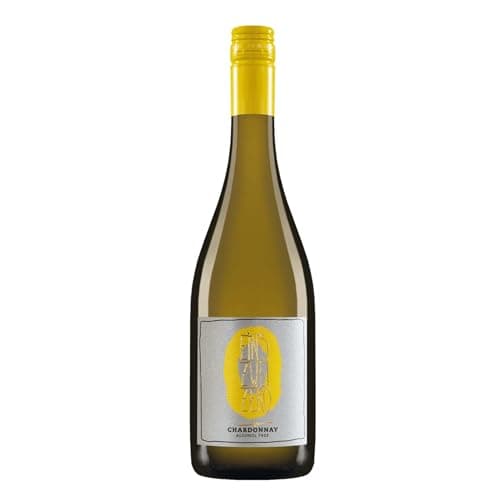 Leitz Eins Zwei Zero ChardonnayNon-alcoholic, bright and fresh — the easiest first non-alcoholic bottle.$23.99Amazon
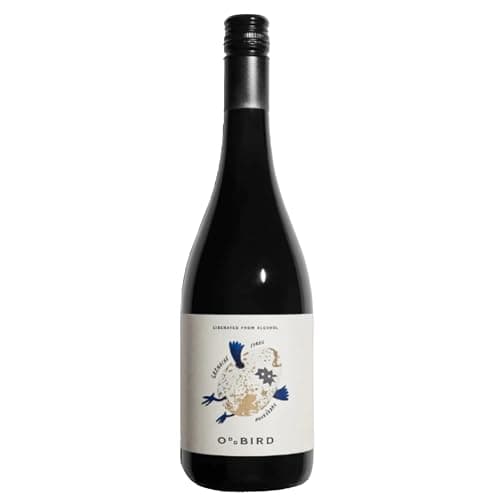 Oddbird RougeThe most convincing non-alcoholic red — realistic structure.Amazon
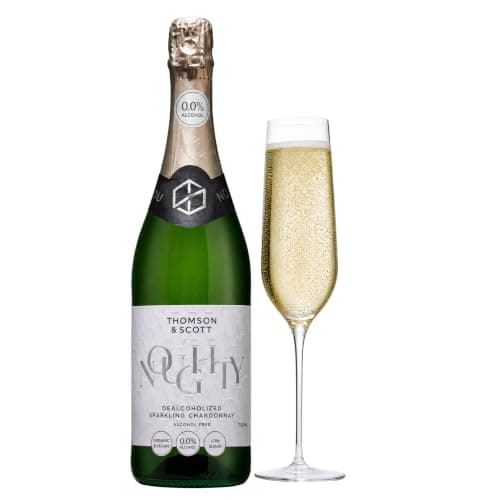 Thomson & Scott Noughty Sparkling ChardonnayNon-alcoholic dry fizz for Champagne lovers.$30.26Amazon
The full ranked field is in our best non-alcoholic wines guide.
Prices and availability shown are from Amazon as of Oct 15, 2026 and may have changed.


