
Every claim this site makes about non-alcoholic wine — why reds are hard, why sparkling wins, why dry bottles beat sweet ones — rests on one underlying question: what was the alcohol doing in the first place? Wine writing usually answers with vibes. The sensory-science literature answers with experiments. This page is the cited version, and it's the reference the rest of our guides link back to.
Ethanol carries body — measurably
In a controlled study on Riesling, Gawel, Van Sluyter and Waters (2007) adjusted ethanol and glycerol levels and had panels rate the wines: raising alcohol increased perceived hotness in every wine tested, and increased body and perceived viscosity in most — while glycerol, wine's other famous "body" molecule, had a much weaker and less consistent effect (Australian Journal of Grape and Wine Research 13:38–45). In plain terms: the weight you feel in a wine's mid-palate is substantially the alcohol itself. Remove it and the frame goes with it — which is exactly the thinness drinkers report in dealcoholized reds, and why body tops out around medium in our attribute taxonomy.
Ethanol tastes of something: sweet-ish, bitter-ish, warm
Ethanol isn't a neutral solvent on the palate. Work on dry wines by Cretin and colleagues (2018) found that changing only the ethanol content shifts both sweetness and bitterness perception (LWT — Food Science and Technology), and the trigeminal warmth — that back-of-throat glow — is pure ethanol, confirmed in the Riesling study above. This is why producers of non-alcoholic wine so often reach for residual sugar: they're not just sweetening, they're trying to replace a sweetness-adjacent sensation the ethanol used to supply. The good ones resist; the sugar crutch is the category's most common failure.
Ethanol manages the aroma — in both directions
Aroma chemistry is where it gets counterintuitive. Ethanol holds aroma compounds in solution: headspace studies show that more ethanol means volatiles stay dissolved in the liquid rather than jumping into the air above the glass (Villamor et al., Food Research International, 2013). So removing alcohol doesn't simply mute a wine — it can initially push aromas out faster, then leave the wine with nothing in reserve, changing how a glass evolves. Reviews of the dealcoholization literature (Sam et al., Foods, 2021; a 2025 review in Comprehensive Reviews in Food Science and Food Safety) document the same pattern from the production side: every removal method loses some desirable volatiles, which is why aroma-recovery systems — capturing volatiles and returning them after processing — separate the category's best bottles from the rest. (How each method works →)
How researchers actually measure this
It's fair to ask how anyone separates "the alcohol" from everything else in a drink as complicated as wine. The field's standard tools are worth knowing, because they're why these findings deserve more trust than tasting-room folklore. Model wines are lab-built solutions — water, acid, glycerol, sugar, aroma compounds — where researchers can change exactly one variable, such as ethanol percentage, and nothing else. Manipulated real wines take a single base wine and adjust its alcohol up or down (by careful addition or partial dealcoholization), so panels compare the same wine at different strengths — the design of the Riesling study above. And trained descriptive panels rate specific attributes (body, hotness, bitterness, aroma intensity) against reference standards rather than saying what they "like," which is what makes the results reproducible numbers instead of opinions. Headspace chemistry adds the instrumental half: gas chromatography measures which aroma molecules actually leave the liquid, no palate required.
None of this makes any single study final — sweetness findings in particular disagree across designs, which is why we say ethanol's sweetness role is debated while its body and warmth roles are not. But the mechanism-level picture across dozens of studies is consistent enough to build buying advice on, and that's the standard this site holds itself to.
What producers do about each gap
Knowing what's missing tells you what the good producers are compensating for — and how to read their choices on your shelf:
- For body: the honest tools are grape must, glycerol, and careful tannin management; the dishonest one is sugar. This is why residual sugar is the first number we check on any bottle, and why "dry yet full-feeling" is the category's hardest trick.
- For aroma: aroma-recovery systems capture volatiles during dealcoholization and return them afterward — the single biggest quality separator between the premium tier and the rest (how each method handles it →).
- For warmth: nothing replaces it, and the producers we respect don't pretend. Some lean into styles where warmth was never central — which is exactly why sparkling wins and big reds struggle.
What the science predicts — and our shelves confirm
Put the three findings together and the category's whole shape falls out:
- Reds suffer most because they lean on ethanol's body and warmth to balance tannin — with the alcohol gone, tannin reads harsh (the tea-like grip our aroma wheel tags) or gets buried in sugar. (The honest red rankings →)
- Whites and sparkling suffer least because acid and aroma, not body, are their spine — and in sparkling, carbonation supplies texture ethanol used to. (Why bubbles win →)
- Serving cold matters more — chill compensates for missing structure and reins in the compensatory sweetness.
FAQ
Is alcohol really a flavor, or just a feeling? Both. It has taste (sweet-bitter), a trigeminal effect (warmth), a texture effect (viscosity/body), and an aroma-management effect (volatility). That four-way role is why no single trick replaces it.
So can non-alcoholic wine ever fully match the original? For alcohol-light styles — crisp whites, sparkling — the gap is already small. For full-bodied reds, the physics says the honest answer is "not yet": something must replace ethanol's body without faking it as sugar, and nothing on the market convincingly does.
Why cite papers on a wine blog? Because "trust me" isn't a methodology. When we say a bottle is thin or a style translates well, this page is what we're standing on.
Taste the science
The bottles that navigate these constraints best, by style:
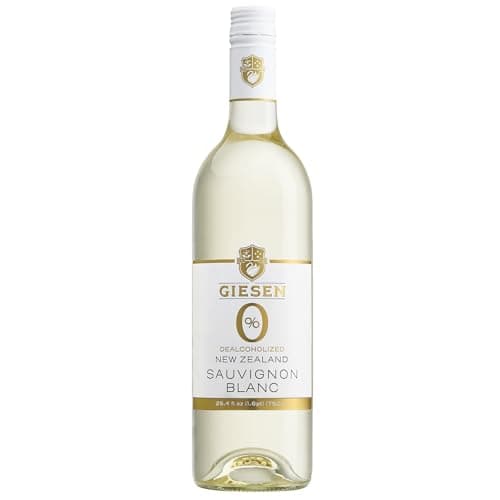 Giesen 0% Sauvignon BlancNon-alcoholic and genuinely dry — for people who miss real wine.$15.99Amazon
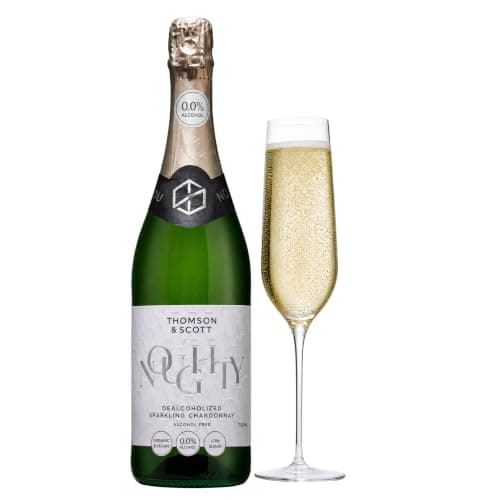 Thomson & Scott Noughty Sparkling ChardonnayNon-alcoholic dry fizz for Champagne lovers.$29.82Amazon
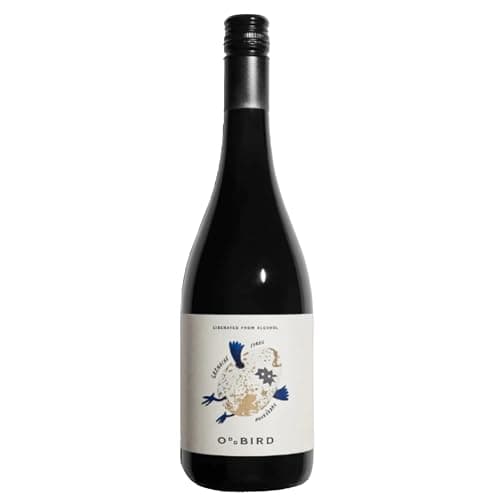 Oddbird RougeThe most convincing non-alcoholic red — realistic structure.Amazon
The full ranked field is in our best non-alcoholic wines guide.
Prices and availability shown are from Amazon as of Oct 18, 2026 and may have changed.


