
Here's the fact the back label whispers and nobody reads: alcohol is a preservative, and your non-alcoholic wine doesn't have any. Ethanol suppresses the microbes and slows the oxidation that turn wine into vinegar. Remove it and the bottle behaves less like wine and more like fresh juice — fine unopened, on a countdown once the cork comes out.
Unopened: drink it young
Non-alcoholic wine is not for cellaring. Without alcohol's protection it's built to be drunk young and fresh — treat the guideline as within a year or so of purchase, and always check the producer's best-by date, which NA bottles carry far more often than regular wine (that date's presence is itself the tell). Store it like any wine you respect: cool, dark, away from the radiator. A wine fridge is lovely but a closet beats a sunny kitchen shelf.
Opened: the 3-day rule
Once open, oxygen and microbes both get to work with no ethanol slowing them down:
- Still whites, rosés, and reds: re-seal and refrigerate immediately — yes, the red too — and drink within about 3 days. Some bottles hold to day 5; don't plan on it.
- Sparkling: 1–3 days with a proper sparkling stopper before the fizz and freshness are gone. This is why single-serve formats like Grüvi's exist — we've reviewed the logic.
- Room temperature is not an option. An opened NA bottle left on the counter overnight can genuinely start fermenting or souring — it's sweet-ish grape liquid with no defenses.
A vacuum stopper measurably extends the still-wine window by pulling the oxygen out:
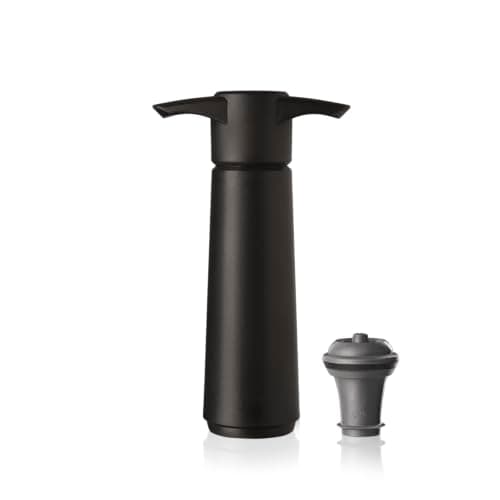 Vacu Vin Wine SaverThe $10 vacuum-stopper alternative if you don't need a Coravin.Amazon
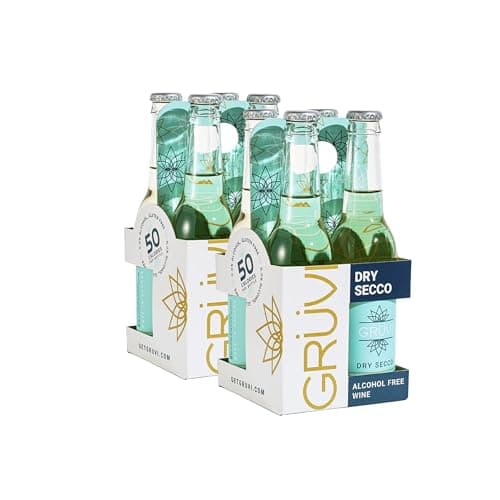 Grüvi Dry SeccoNon-alcoholic everyday sparkling — crisp and lightly floral.$36.99Amazon
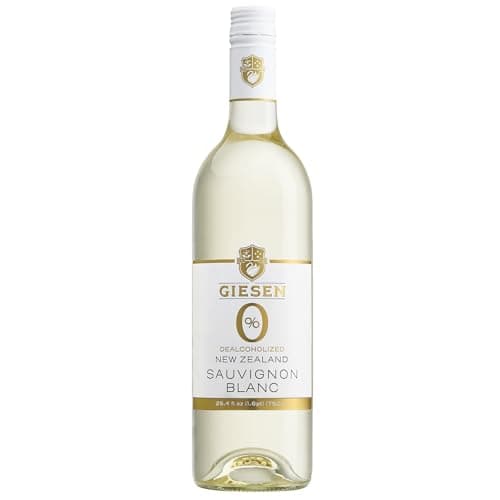 Giesen 0% Sauvignon BlancNon-alcoholic and genuinely dry — for people who miss real wine.$19.98Amazon
How to tell it's turned
Trust your nose — the failure modes are unsubtle: a vinegar or nail-polish sharpness (oxidation/acetic spoilage), fizz in a still wine (unplanned refermentation — discard it), a flat, browned, stewed-fruit flavor (oxidized), or haze and off smells (microbial). None of these will hurt you in a sip's quantity, but nothing here improves with hope. Pour it out.
Why this differs from regular wine
An opened alcoholic wine fades gracefully over ~3–5 days (our regular-wine guide covers it); the alcohol keeps microbes out while oxidation slowly dulls the fruit. Non-alcoholic wine faces the same oxidation plus live microbial risk, often with more residual sugar to feed it. Producers compensate with pasteurization and careful bottling — which protects the sealed bottle, not the open one on your counter.
FAQ
Can I keep opened non-alcoholic wine for a week? In the fridge with a vacuum stopper, a still wine might survive it — but expect dulled fruit by day 5. Our honest advice: buy formats you'll finish in three days.
Does non-alcoholic wine need to be refrigerated before opening? No — normal cool, dark storage is fine sealed. Refrigeration is mandatory only after opening.
Can an opened bottle really ferment? Yes — sugar plus ambient yeast plus no alcohol is literally a fermentation recipe. If a still bottle turns fizzy, that's what happened. Discard it.
Does the Coravin trick work for non-alcoholic wine? Argon systems address oxygen, not microbes, and need a cork. For NA bottles the practical tools are the fridge, a vacuum stopper, and a short calendar.
Buy fresh, drink fresh
The bottles we recommend move fast enough at retail to arrive fresh — the ranked field is in our best non-alcoholic wines guide.
Prices and availability shown are from Amazon as of Sep 9, 2026 and may have changed.

