
This article explains labels and regulations. It is not medical advice — the only answer that matters for your pregnancy comes from your own doctor or midwife.
Nine months is a long time to toast with tap water, and non-alcoholic wine looks like the obvious answer — until you read a label closely and find the fine print. Here's what the terms actually mean, so the conversation you have with your doctor is a precise one.
The one fact everything turns on
In the US, "non-alcoholic" legally means under 0.5% ABV — not zero. That trace level is comparable to what naturally occurs in kombucha, some fruit juices, and very ripe bananas; a fully fermented, then dealcoholized bottle usually lands between 0.0% and 0.5%. Meanwhile, a growing set of producers achieve and label a true 0.0% — and because it's their selling point, they print it loudly.
So "can I drink non-alcoholic wine while pregnant?" is really two questions: what does my clinician say about trace alcohol, and does this specific bottle contain any? The first is theirs to answer. The second, you can read off the label.
How to read the label like it matters
- "0.0%" or "alcohol-free 0.0" — the strictest claim; no detectable alcohol. The category's true-zero tier.
- "Non-alcoholic" / "alcohol-removed" / "dealcoholized" (<0.5%) — real wine with trace alcohol possible. Many clinicians are comfortable with this tier; many patients prefer zero. Ask, don't assume.
- "Alcohol-free" (marketing use) — in the US this phrase gets used loosely; trust the printed number, not the slogan.
- Grape juice in a wine bottle — 0.0% by nature, sweet by nature; fine if that's what you want, but it isn't wine.
The same logic applies at other tables: recovery, medication interactions, and religious observance often need the 0.0% tier too — one reason our occasion guide tells hosts to keep one true-zero bottle in every lineup.
What official guidance says
US health authorities take the conservative position that no amount of alcohol is known to be safe in pregnancy — see the CDC's guidance on alcohol and pregnancy and ACOG's patient guidance directly. That conservative position is exactly why the 0.0%-vs-trace distinction exists on labels, and why this article keeps repeating the same advice: bring the specific bottle (or its label photo) to your appointment and ask. Clinicians answer precise questions better than vague ones, and practice varies.
Questions worth bringing to the appointment
Clinicians answer precise questions better than vague ones, and five minutes of preparation turns "is non-alcoholic wine okay?" into a conversation that actually resolves. Worth writing down:
- "This bottle is labeled 0.0% — are you comfortable with that?" (bring the label photo)
- "This one says 'dealcoholized, under 0.5%' — is trace alcohol at kombucha levels something you'd distinguish from zero?"
- "Does your answer change by trimester, or is one rule simpler to follow?"
- "Anything in the rest of the label you'd want me to watch — sugar, sulfites, caffeine in the botanical 'proxies'?"
Whatever the answers, you'll have them from the person who knows your pregnancy — which beats anything a wine site (including this one) can tell you.
How a bottle gets to true zero
Understanding the production helps the label make sense. A 0.0% claim usually means the producer either measured below detection after dealcoholization or never fermented to meaningful alcohol at all — and the difference shows in the glass. Dealcoholized-then-verified bottles taste most like wine; never-fermented "wine-style" drinks are sweeter and simpler. The removal technology matters too: vacuum distillation and spinning-cone processes can strip alcohol below detectable levels while keeping aroma, which is why the true-zero tier no longer requires settling for grape juice. If a label won't tell you which kind of product you're holding, the ingredient list will: dealcoholized wine first means wine; grape juice first means juice.
The part nobody writes down
For many pregnant women the point isn't the liquid — it's not being the only person at the table with a water glass at a wedding toast, a birthday dinner, an anniversary. A genuinely good bottle, served in real stemware with the same ceremony as everyone else's, solves a social problem that sparkling water never will. That's not indulgence; that's nine months of still being at the party.
FAQ
Is 0.5% ABV enough alcohol to matter? It's the same trace range as kombucha and some orange juice — but "does it matter" is a clinical judgment about your pregnancy, not a beverage fact. That's the doctor conversation.
Which non-alcoholic wines are truly 0.0%? Producers who hit true zero label it prominently — look for "0.0%" on the front label. Our ranked picks note ABV claims per bottle; verify on the bottle in hand, since formulations change.
What about cooking with wine while pregnant? The "alcohol cooks off" folklore is mostly false — we measured it. Cooking with a 0.0% bottle sidesteps the question entirely.
Bottles worth bringing to the conversation
Dry, genuinely wine-like, with the ABV claim printed where you can see it — check the label of the exact bottle you buy:
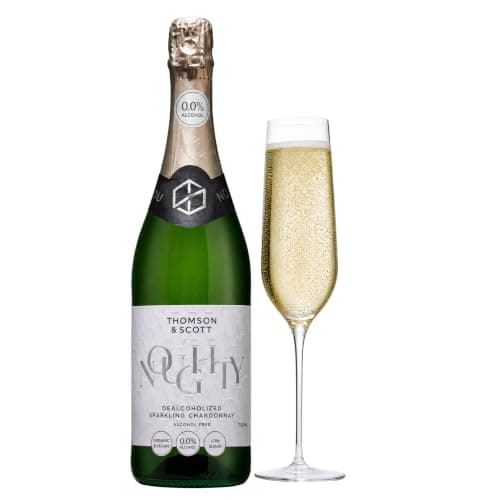 Thomson & Scott Noughty Sparkling ChardonnayNon-alcoholic dry fizz for Champagne lovers.$30.26Amazon
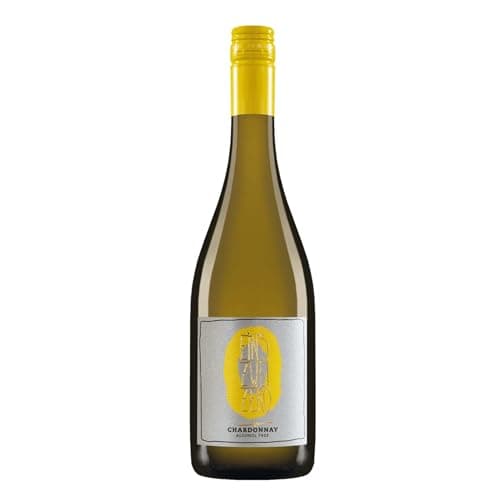 Leitz Eins Zwei Zero ChardonnayNon-alcoholic, bright and fresh — the easiest first non-alcoholic bottle.$23.99Amazon
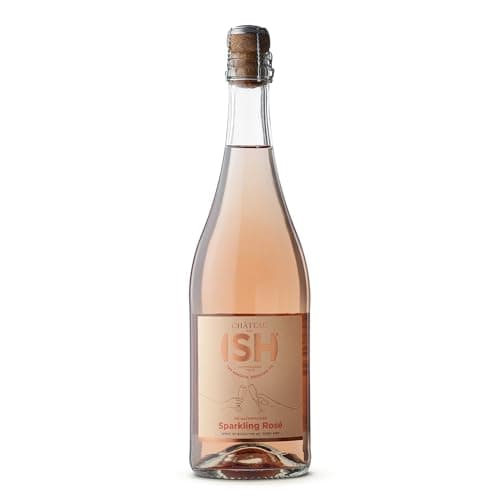 ISH Sparkling RoséNon-alcoholic sparkling rosé, low-calorie — a crowd-pleasing toast.$25.99Amazon
The full field by style is in our best non-alcoholic wines guide.
Prices and availability shown are from Amazon as of Oct 14, 2026 and may have changed.


